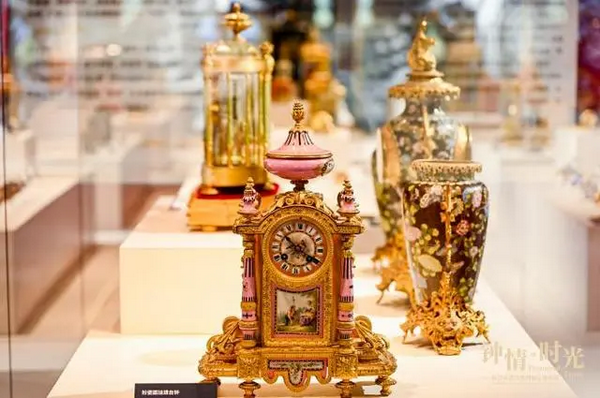
Ancient Clock Restoration Skills
Introduction
Ancient clock restoration skills encompass a specialized discipline within the broader field of conservation and preservation. These skills are devoted to the meticulous care, repair, and conservation of antique clocks and timepieces. The work involves not only mechanical repairs but also an appreciation of the aesthetic and historical significance of the clocks. The restoration of such artifacts is a delicate process that requires a blend of technical expertise, artful craftsmanship, and historical knowledge to ensure that these items are preserved for future generations while maintaining their original beauty and functionality. The skill set involved in restoring ancient clocks was included in China's national-level intangible cultural heritage list in 2014.
Historical Background
The art of clockmaking and subsequent restoration has a rich history that dates back centuries. The Palace Museum, also known as the Forbidden City, is home to one of the world's finest collections of mechanical clocks, primarily from the 17th and 18th centuries. These clocks reflect the wealth and cultural exchanges of the Qing Dynasty (1644-1911), where European technology and Chinese artistry merged to produce exquisite timepieces. The history of clock restoration is intertwined with the history of these clocks, highlighting a legacy of craftsmanship, innovation, and cultural exchange. Early European clockmakers' influence reached China, where local craftsmen adapted and integrated these techniques into their works, resulting in unique pieces that require specialized restoration skills today.
Techniques of Restoration
Material Analysis
Material analysis is a critical component of clock restoration. Understanding the composition and properties of various materials used in antique clocks is essential for selecting appropriate conservation methods. Restorers often deal with a variety of materials, including metals like brass and steel, wood for the casings, and decorative elements such as ivory, enamel, or gold plating. Each material poses its own challenges in terms of preservation and repair. Through careful analysis, restorers can determine the best approach to stabilize and conserve these materials without compromising the clock’s historical integrity.
Mechanical Repairs
Mechanical repairs lie at the heart of clock restoration. This involves the repair and maintenance of the clock's movement, which is a complex arrangement of gears, springs, and escapements. Restorers must have a deep understanding of horology—the science of timekeeping—and the specific mechanics of each clock. This knowledge allows them to disassemble, clean, repair, and reassemble the delicate components, ensuring the clock operates accurately. Challenges often include dealing with wear and tear from centuries of use, which may require fabricating replacement parts that match the original designs in both function and appearance.
Aesthetic Preservation
Aesthetic preservation focuses on maintaining or restoring the visual and artistic elements of antique clocks. This can include the clock's case, dial, hands, and any decorative features. The goal is to preserve the clock's original appearance as much as possible, which may involve cleaning, repairing, and occasionally recreating missing or damaged parts. Techniques such as patination or gilding may be employed to match original finishes. Aesthetic preservation requires a keen eye for detail and a respect for the historical and cultural context of the artifact, ensuring that any interventions honor the clock's legacy while enhancing its visual appeal.
Notable Restorations
Some of the most significant restoration projects involve high-profile clocks from prestigious collections. For instance, the collaboration between the Palace Museum in Beijing and Cartier resulted in the restoration of six notable timepieces from the late 18th century. This project not only restored the clocks to their former glory but also highlighted the importance of cross-cultural collaboration in the field of restoration. The successful restoration of these timepieces was celebrated in exhibitions, illustrating the restored clocks' beauty and complexity and serving as a testament to the restorers' skills and dedication.
Challenges and Innovations
The field of clock restoration is not without its challenges. Restorers often face the task of working with fragile and irreplaceable materials, dealing with parts that have suffered significant wear or damage over time. Moreover, each clock is unique, reflecting the craftsmanship and technology of its respective period, which means restorers must tailor their techniques to suit each piece. Innovations in restoration methods, such as the use of advanced imaging technology for non-invasive analysis, have enhanced the ability to restore clocks with greater precision and care. These advances underscore the ongoing evolution of restoration practices, driven by a commitment to preserving cultural heritage.
Importance in Cultural Heritage
The restoration of antique clocks holds significant value for cultural heritage. These timepieces are not merely functional objects but are also historical artifacts that reflect the technological, cultural, and artistic achievements of their time. Restoring these clocks allows for the preservation of this heritage, enabling future generations to appreciate and learn from these works. Moreover, exhibitions featuring restored clocks, such as those by the Palace Museum, serve to educate the public and foster a deeper appreciation for the skill and artistry involved in their creation and conservation.








